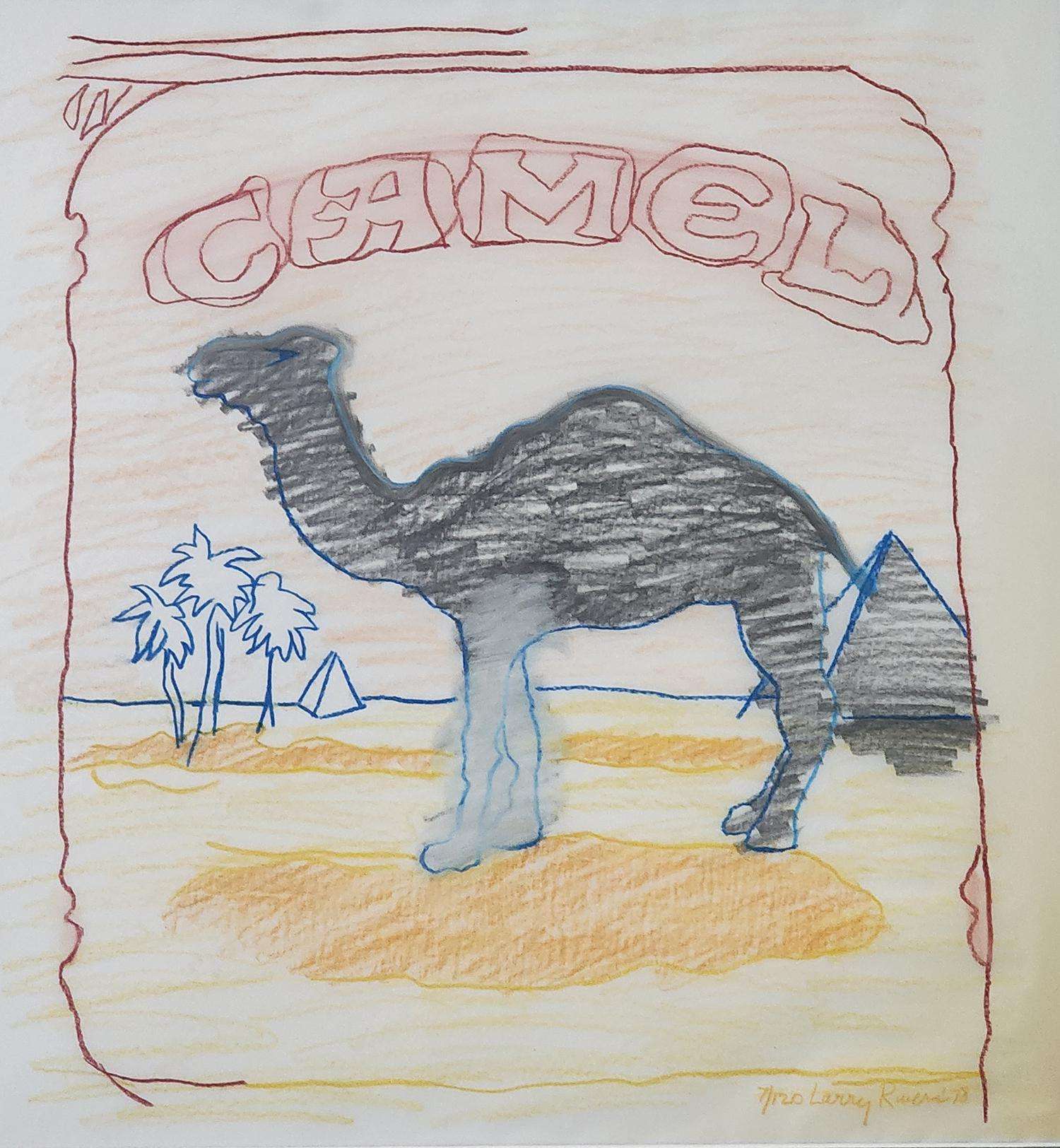
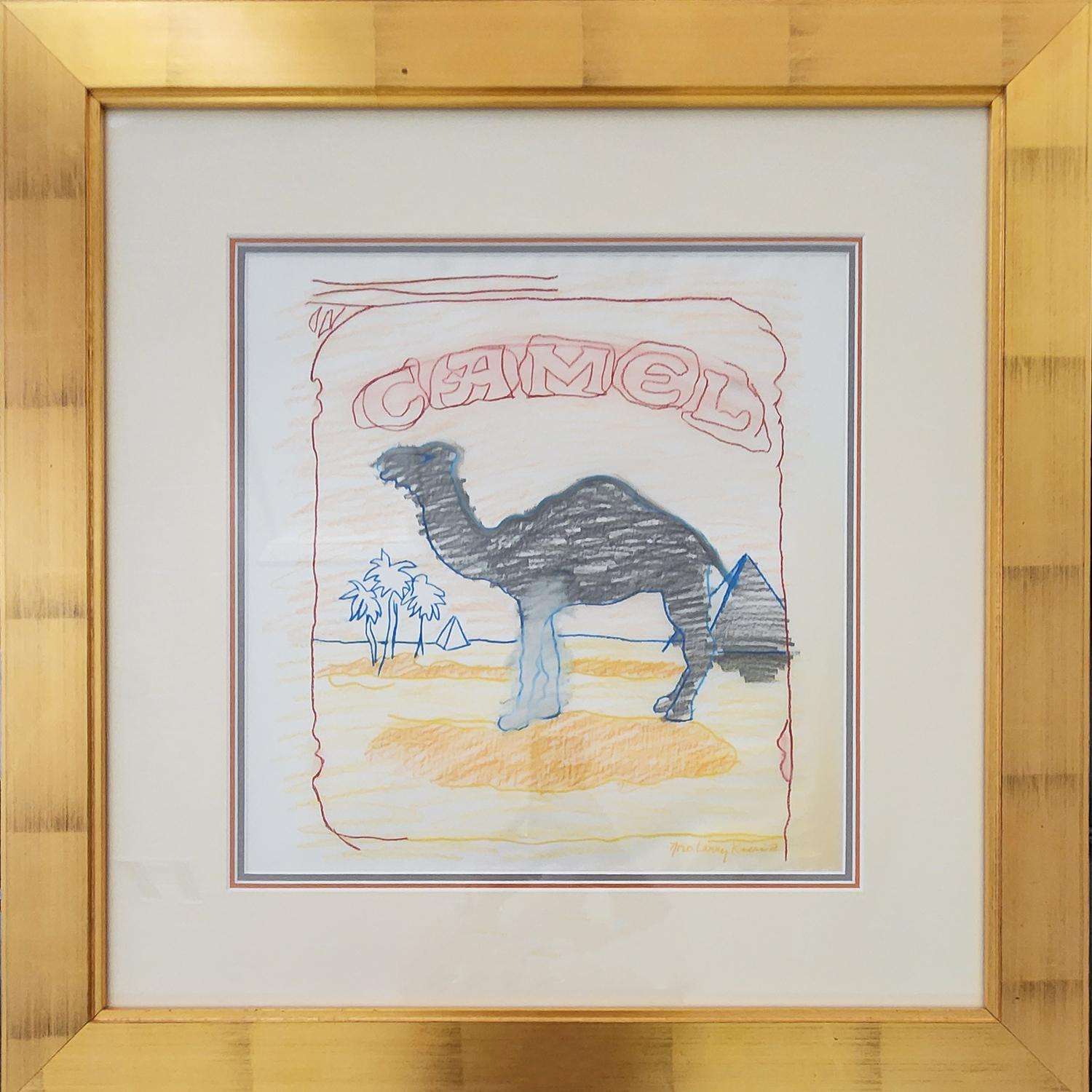
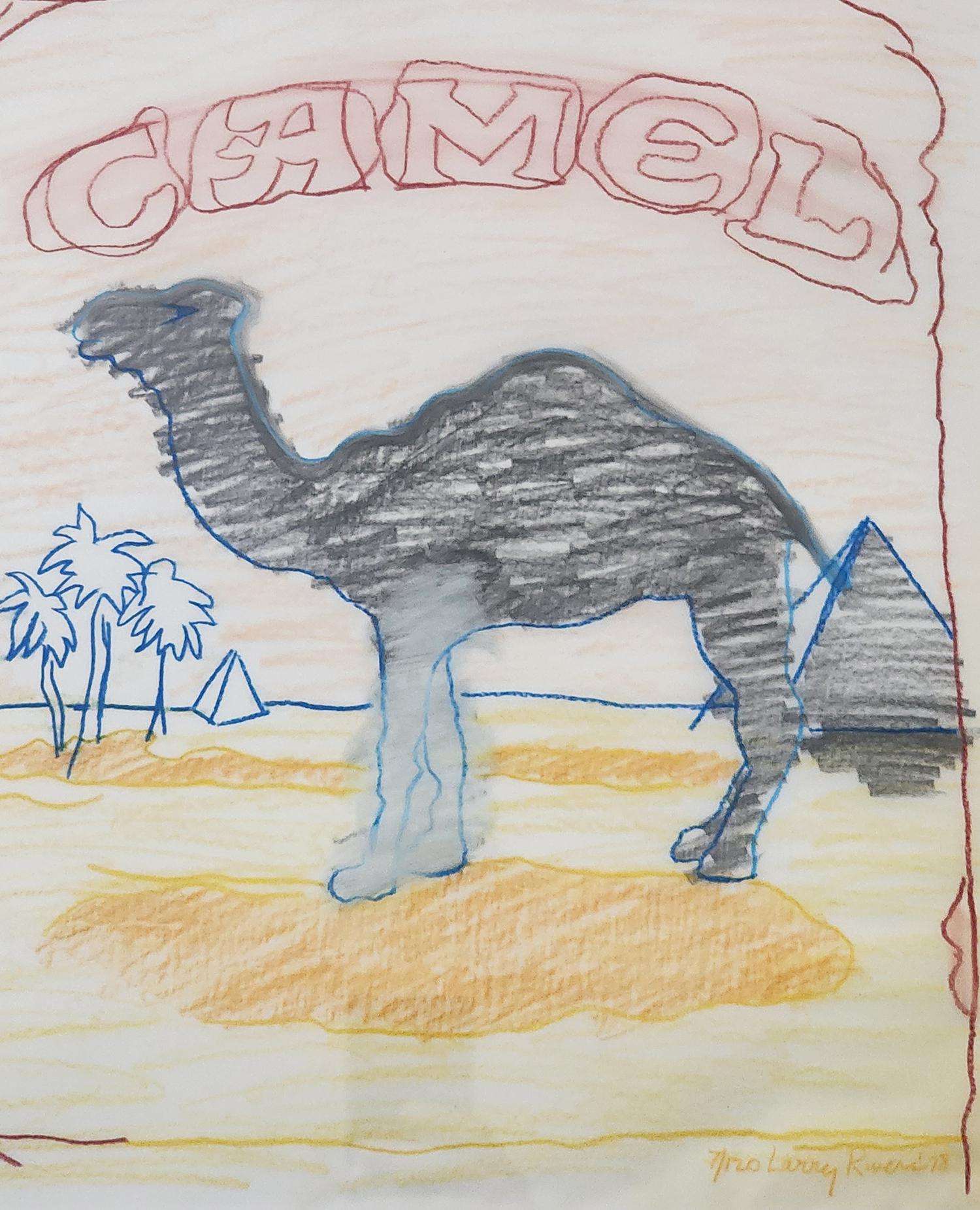
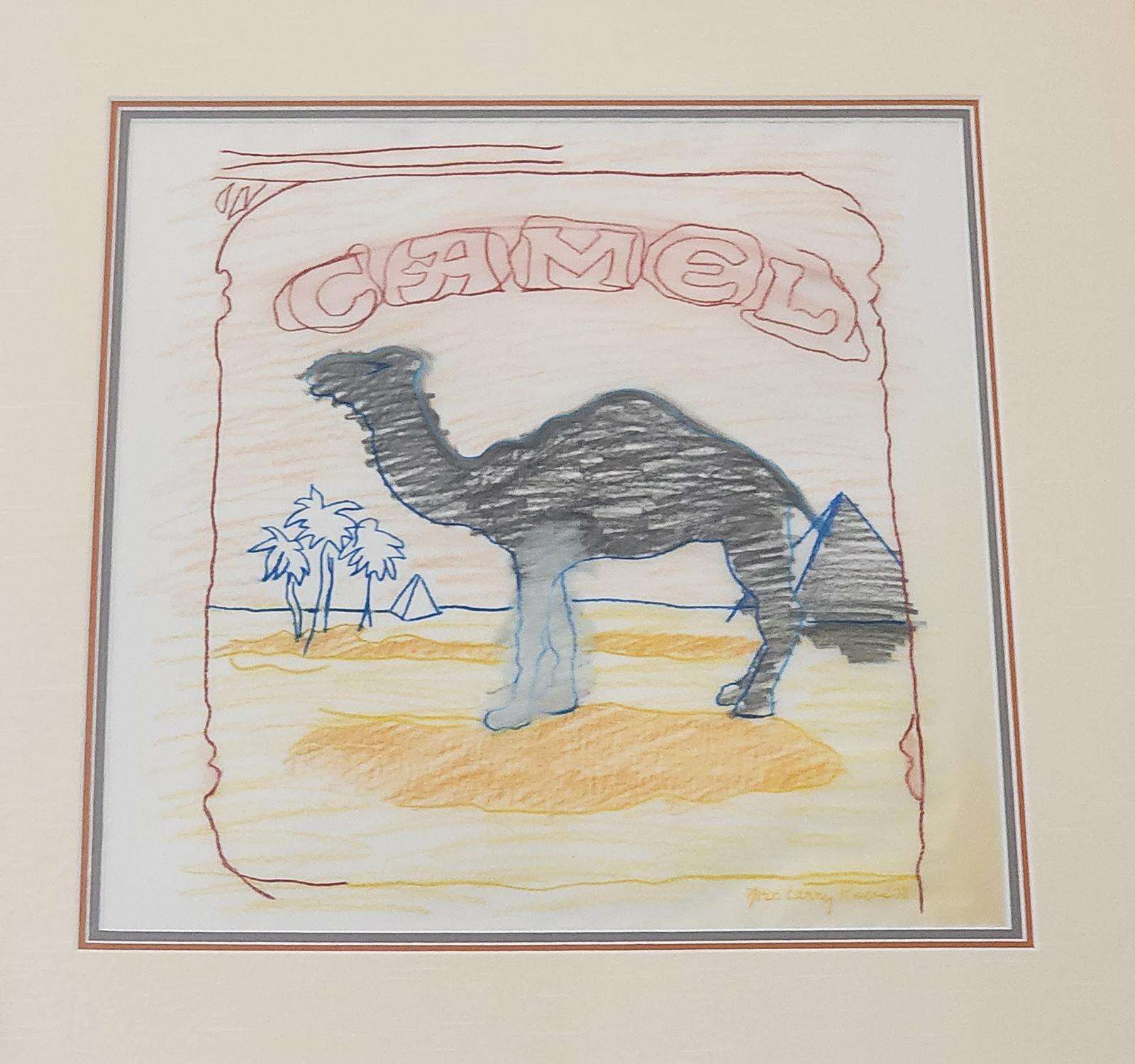
Larry Rivers, 'Camel Cigarettes', Unique Signed Limited Edition Lithograph, 1978
Price
$6,500
- Medium
- Lithograph
- Category
- Fine Art › Limited Editions › Lithographs
- Surface
- Paper
About this work
Larry Rivers
Stencil Camel – each piece in the edition is unique
1978
Lithograph in colors/wove paper with pochoir & graphite/acetate
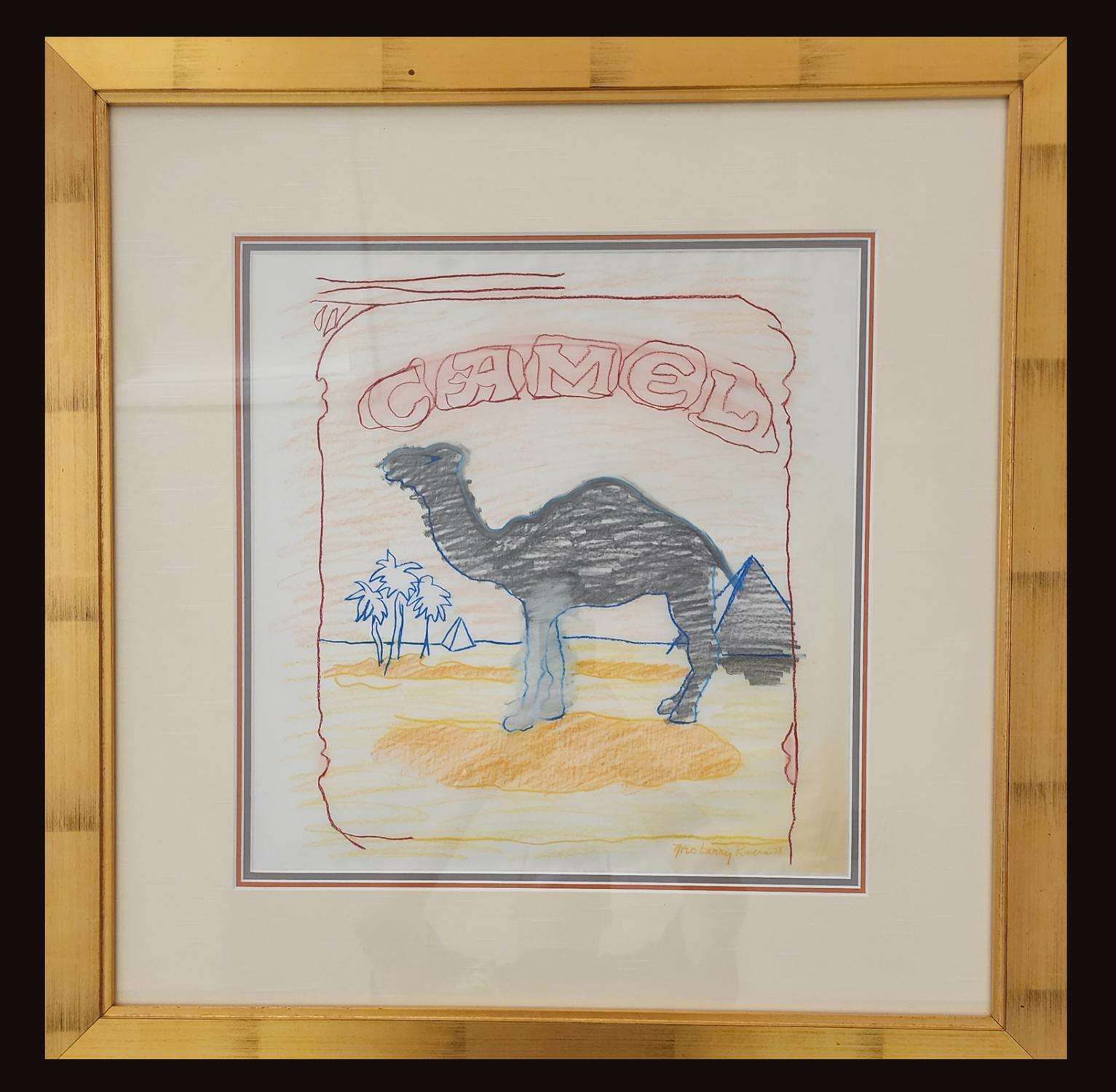
24 7/8 x 21 3/8 in. – 30 x 30 in. Framed
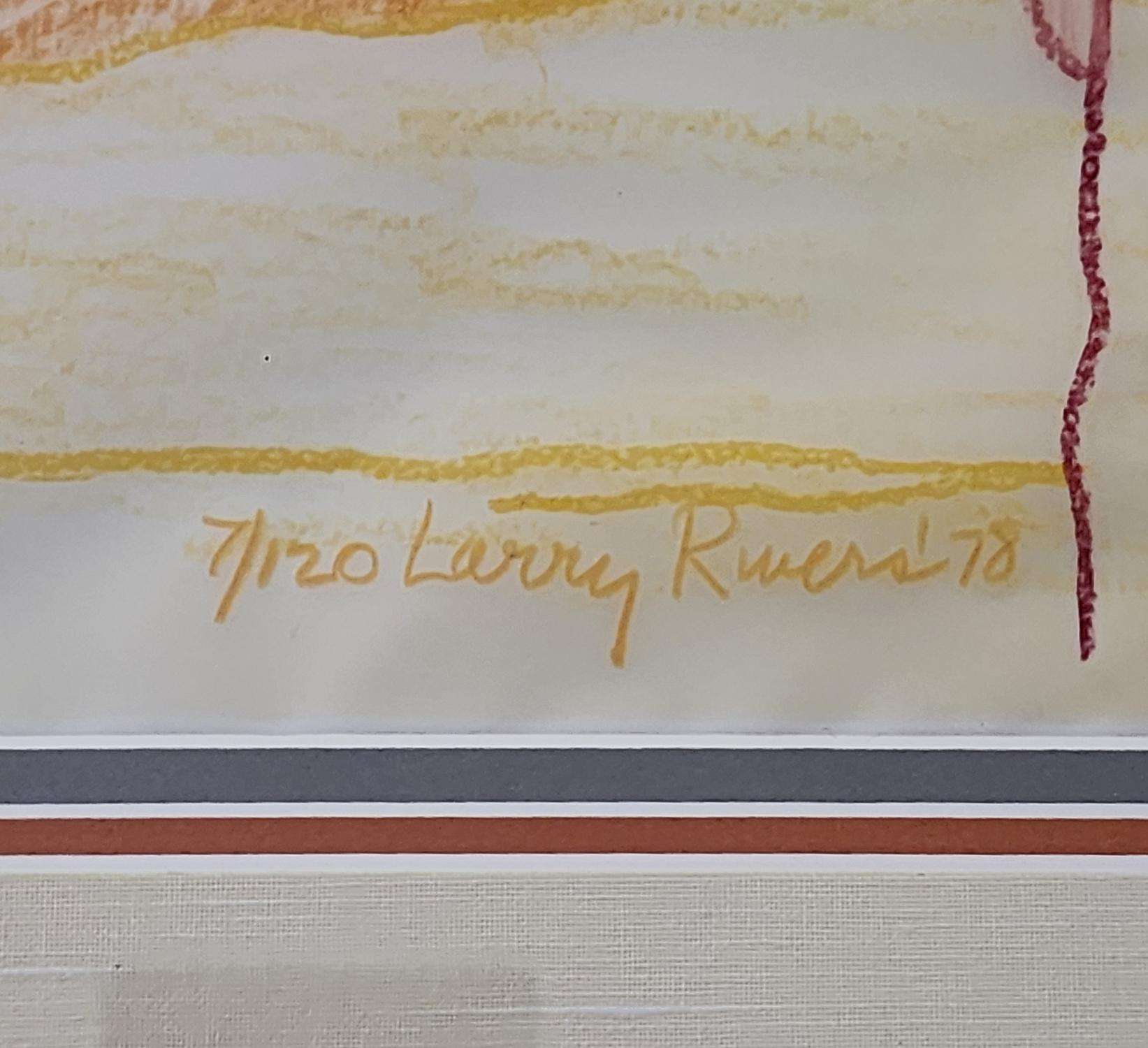
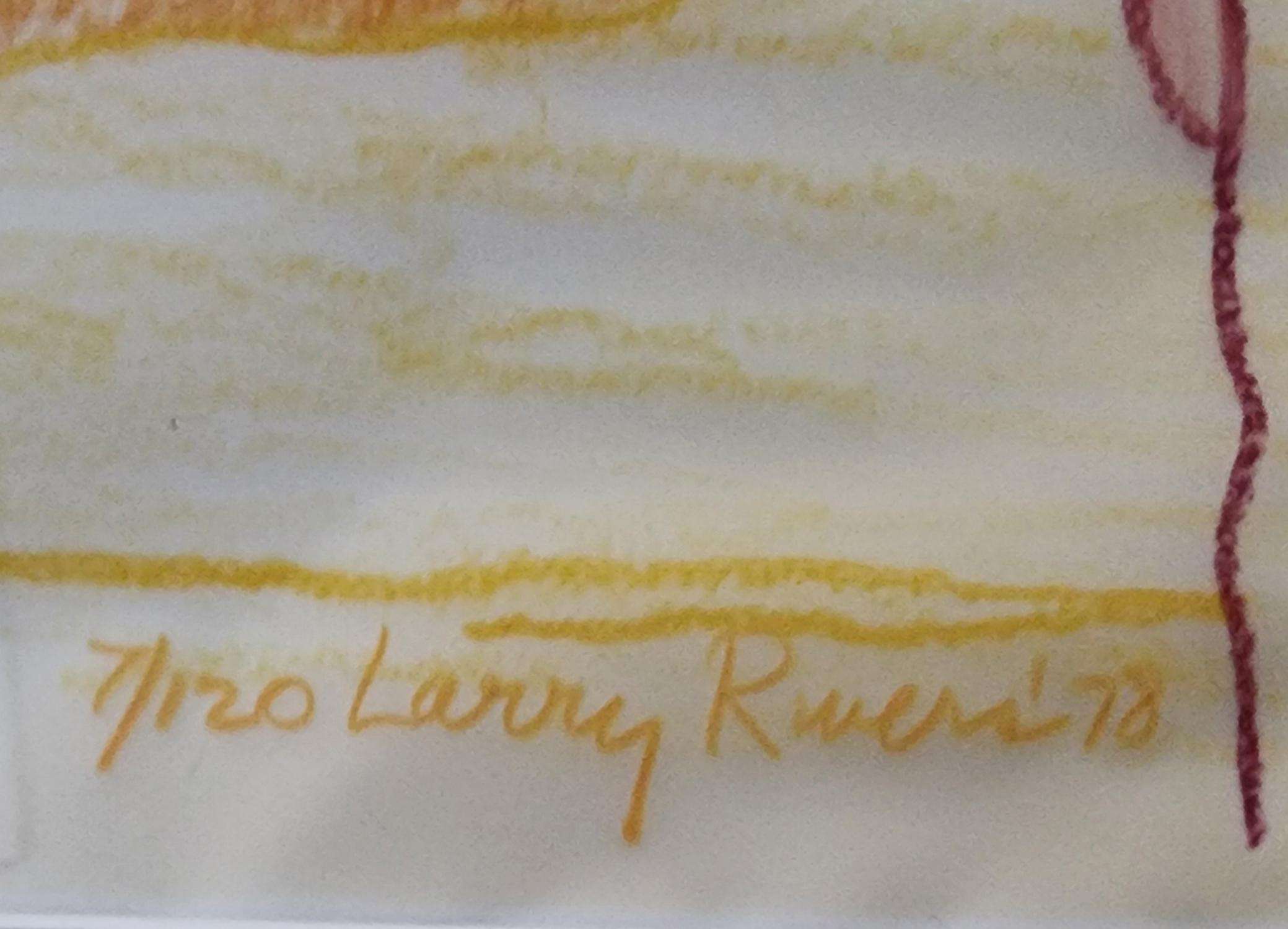
Signed, Dated, and numbered 7/120, by the artist
Printed by RG Spritz Press, publ by Marlborough Graphics, New York
The logo of Camel cigarettes appears repeatedly in Rivers? work.
This logo has now become one of the iconic images of American popular culture. A friend of Larry Rivers once described him as the only man addicted to nicotine who did not smoke.
Stencil Camel is on two separate sheets, with an acetate overlay. The image of the Camel logo and all the line work is on one sheet of clear acetate, while the complete background of the pinkish hue fading into yellow is pochoir, and on a separate sheet .
Larry Rivers was an American artist, musician, filmmaker and occasional actor. He was born in the Bronx, New York as Yitzhok Loiza Grossberg to Russian-Jewish parents. He changed his name to Larry Rivers in 1940, after being introduced as Larry Rivers and the Mudcats at a local New York City pub. From 1940-45 he worked as a jazz saxophonist in New York City, and he studied at the Juilliard School of Music in 1945-46, along with Miles Davis, with whom he remained friends until Davis's death in 1991.
Established as one of America's most important postwar artists, Rivers is considered by many scholars to be the Godfather and Grand Father of Pop art, because he was one of the first artists to really merge non-objective, non-narrative art with narrative and objective abstraction.
Rivers took up painting in 1945 and studied at the Hans Hofmann School from 1947 – 48, and then at New York University. He was a pop artist of the New York School, reproducing everyday objects of American popular culture as art. He was one of eleven New York artists featured in the opening exhibition at the Terrain Gallery in 1955.
Rivers work wasn?t Pop and it wasn?t Abstract Expressionism, it was more of an ongoing dialogue with art and ideas, an expansive bridge between two significant art movements.